
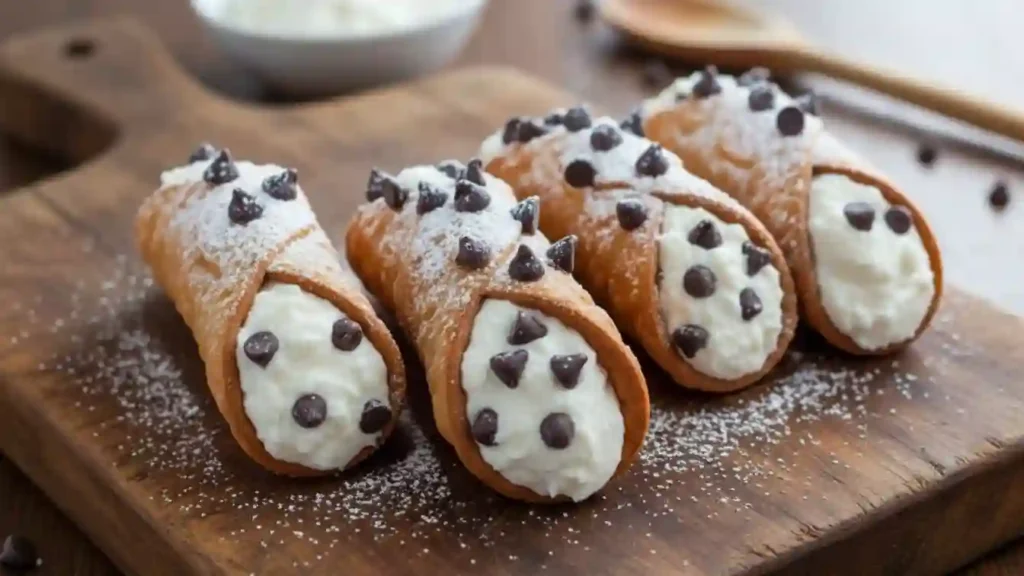
Authentic Homemade Cannoli Recipe
Table of Contents
ToggleAuthentic Homemade Cannoli Recipe: The Secret to Perfect Sicilian Shells
There is a specific sound that defines a truly great cannoli. It is that sharp, musical crack of the golden shell as your teeth sink into it, immediately followed by the cool, velvet-smooth embrace of sweetened ricotta. Walking through the streets of Palermo, the air often smells of frying dough and citrus peel, a scent that stays with you long after the trip ends. Bringing that experience into your own kitchen is less about fancy equipment and more about patience and the right technique. Homemade cannoli are worlds apart from the soggy, pre-filled versions found in grocery stores. When you make them yourself, you control the crunch, the sweetness, and the soul of the pastry.
Why You’ll Love This
-
Unmatched Texture: Nothing compares to the contrast of a warm, bubbly shell and a chilled, creamy filling.
-
Tailored Sweetness: You can balance the sugar to your liking, ensuring the ricotta flavor actually shines through.
-
Impressive Craftsmanship: Bringing a platter of hand-rolled, hand-fried cannoli to a table is a guaranteed conversation starter.
-
The Bubbles: Using Marsala wine creates those iconic tiny blisters on the shell that hold extra crunch in every bite.
I remember the first time I made these for my uncle, a man who considers himself a self-appointed critic of all things Italian. He usually skips dessert, claiming most things are just “sugar and air.” I handed him a freshly filled shell, still slightly warm from the kitchen. He took one bite, went silent for a full minute, and then asked if I had a spare box he could take home. When someone who “doesn’t do sweets” asks for seconds, you know you’ve hit the mark.
What Makes It Special
-
Marsala Wine: This provides the acidity needed to break down the gluten, resulting in a tender yet crisp shell.
-
Shortening and Oil: The combination of these fats ensures the dough is pliable enough to roll paper-thin but sturdy enough to hold its shape during frying.
-
Orange Zest: A small addition that cuts through the richness of the cheese with a bright, aromatic finish.
-
Cinnamon: Just a hint in the dough adds a warm, earthy depth that complements the cocoa and cream.
Making It Happen
The process begins with the dough. You will mix your flour, sugar, salt, and cinnamon in a large bowl, creating a well for the wet ingredients. As you pour in the Marsala wine, egg, and fats, the dough will seem a bit shaggy at first. Don’t worry. As you knead it on a clean surface, it will transform into a smooth, elastic ball. The most important part of this stage is the rest; giving the dough an hour or two allows the gluten to relax, which is the secret to rolling it out thin enough to see light through.
Once the dough has rested, you will roll it out on a floured surface. You are aiming for about 1/8 inch thickness. Use a round cutter to create your circles, then stretch them slightly into ovals. Wrap these around your cannoli forms, using a tiny dab of egg white to seal the edge. If you don’t seal them well, they might puff open in the oil.
Frying is a quick process. In oil heated to 350°F, the shells will bubble and turn a deep golden brown in just a minute or two. Let them drain on paper towels until they are cool enough to handle, then gently slide them off the forms. While the shells cool, whisk together your ricotta, powdered sugar, and vanilla until the mixture is glossy and smooth. Fold in your chocolate chips and zest, then pipe the filling into the shells only when you are ready to serve. This ensures the shells stay perfectly crisp.
You Must Know
-
Drain Your Ricotta: If your cheese is watery, your filling will be runny. Let the ricotta sit in a fine-mesh strainer over a bowl in the fridge for at least 4 hours before using.
-
Don’t Over-Fill Early: Only fill the cannoli right before you eat them. Even the best shell will lose its crunch if it sits with filling for more than an hour.
-
Monitor Oil Temp: If the oil is too hot, the shells burn before they crisp. If it is too cool, they will soak up the oil and become greasy.
-
The Seal is Key: Be careful not to get egg white on the metal form itself, or the dough will stick to the metal and break when you try to remove it.
Serving Ideas
Cannoli are best enjoyed with a strong beverage to balance the richness. A dark roast espresso or a tiny glass of chilled Vin Santo or extra Marsala wine works beautifully. If you are serving these at a party, place them on a white ceramic platter dusted with extra powdered sugar and perhaps some crushed pistachios on the ends for a pop of color.
Make It Different
-
Nutty Twist: Dip the ends of the filled cannoli into chopped pistachios or toasted hazelnuts instead of chocolate chips.
-
Dairy-Free: You can use a well-strained almond-based ricotta alternative, though the texture will be slightly grainier.
-
Chocolate Shells: Replace one tablespoon of flour with high-quality cocoa powder for a dark, chocolatey dough.
Storage and Reheating
Store unfilled shells in an airtight container at room temperature for up to five days. Do not refrigerate the shells, as the humidity will make them soft. The ricotta filling should be stored in the refrigerator in a sealed container for up to three days. We do not recommend reheating the shells; if they have gone soft, they are best used as a topping for gelato.
Success Tips
For the smoothest filling, you can pass the ricotta through a fine-mesh sieve or give it a quick pulse in a food processor before adding the sugar. Also, when rolling the dough, if it keeps shrinking back, let it rest for another ten minutes. A relaxed dough is much easier to work with.
Frequently Asked Questions
Can I bake the shells instead of frying them?
While you can bake them, they will not have the same bubbly texture or traditional crunch. Frying is essential for the authentic Sicilian experience.
What can I use if I don’t have cannoli forms?
You can use clean wooden dowels cut into 4-inch lengths, but ensure they are food-safe and haven’t been treated with chemicals.
Why did my shells turn out tough?
This usually happens if the dough wasn’t rolled thin enough or if it wasn’t allowed to rest long enough before rolling.
Can I use granulated sugar in the filling?
It is best to use powdered sugar. Granulated sugar can leave the filling feeling gritty as it doesn’t dissolve as easily in cold cheese.
Is Marsala wine necessary?
The acidity and alcohol in the wine are functional ingredients that create the bubbles in the dough. You can substitute it with white wine vinegar or dry sherry if needed.
Authentic Homemade Cannoli
-
Prep time: 30 minutes (plus 2 hours resting)
-
Cook time: 15 minutes
-
Total time: 2 hours 45 minutes
-
Servings: 12-14 cannoli
-
Category: Dessert
-
Difficulty: Intermediate
-
Cuisine: Italian (Sicilian)
-
Yield: 12-14 large shells
-
Equipment: Cannoli forms, deep-fry thermometer, rolling pin, round cookie cutter (3-4 inch), piping bag.
Ingredients
For the Shells:
-
2 cups all-purpose flour
-
1 tablespoon white granulated sugar
-
1/2 teaspoon salt
-
1/2 teaspoon cinnamon
-
1/4 cup Marsala wine
-
2 tablespoons water
-
1 large egg + 1 egg yolk, beaten
-
1 tablespoon vegetable oil
-
2 tablespoons shortening
-
Vegetable oil, for frying
-
1 beaten egg white (for the edges)
For the Filling:
-
2 cups ricotta cheese (strained)
-
1/2 cup powdered sugar
-
1 teaspoon vanilla extract
-
1/2 cup mini chocolate chips
-
1 tablespoon orange zest (optional)
Instructions
-
Make the Dough: In a large bowl, whisk together the flour, sugar, salt, and cinnamon. Create a well in the center and add the Marsala wine, beaten egg, vegetable oil, and shortening. Mix by hand until a dough forms. Knead on a lightly floured surface for about 5-8 minutes until smooth. Wrap in plastic and let it rest at room temperature for 1-2 hours.
-
Prepare the Shells: Roll out the rested dough to 1/8 inch thickness. Cut into circles using a cutter or glass. Wrap each circle around a cannoli form. Dab a small amount of egg white on the edge where the dough overlaps and press to seal.
-
Fry the Shells: Heat 2-3 inches of oil in a heavy pot to 350°F. Fry the forms 2-3 at a time until golden brown (about 1-2 minutes). Remove with tongs and drain on paper towels. Carefully slide the shells off the forms while still warm but handleable.
-
Make the Filling: In a bowl, stir the strained ricotta, powdered sugar, and vanilla until creamy. Fold in the chocolate chips and orange zest.
-
Fill and Serve: Fit a piping bag with a wide tip. Pipe the filling into one end of a shell until it reaches the middle, then repeat from the other side. Dust with powdered sugar and serve immediately.
Notes
If your ricotta is very wet, wrap it in cheesecloth and place a weight on top while it drains in the fridge to ensure a thick filling.
Nutrition
Calories: 280kcal | Carbohydrates: 24g | Protein: 7g | Fat: 16g | Saturated Fat: 6g | Sugar: 9g
