
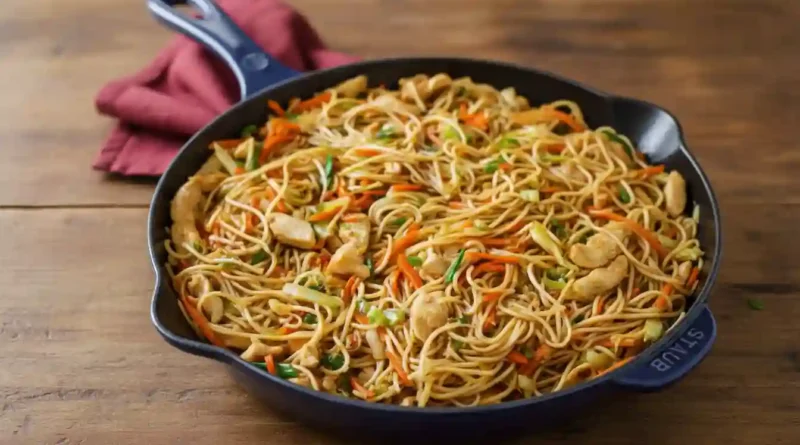
Chicken Chow Mein with Best Chow Mein Sauce!
The Best Chicken Chow Mein Recipe with an Incredible Homemade Sauce
There’s a certain magic to a great stir-fry. The sizzle as it hits the pan, the aromatic steam that rises, and the promise of a meal that’s both comforting and exciting. For me, that magic is perfectly captured in this Chicken Chow Mein. It’s a recipe born from countless Friday nights and a quest to recreate the takeout experience at home—but better. I wanted the noodles to have that perfect springy bite, the chicken to be irresistibly tender, and the sauce to be the star of the show: glossy, deeply savory, and clinging to every single strand. After many iterations, this is it. This is the one.
Why You’ll Love This Chicken Chow Mein
-
It’s Faster Than Takeout. From prep to plate, you’re about 30 minutes away from a restaurant-quality meal that’s made in your own kitchen.
-
The Sauce is Unforgettable. This isn’t just a simple mix of soy sauce. It’s a perfectly balanced, glossy coating that’s savory, slightly sweet, and clings beautifully to the noodles and chicken.
-
A True Crowd-Pleaser. It’s the dish I make when I need to please a group, from hungry kids to discerning adults. Its universal appeal is a guarantee.
-
You Control the Ingredients. Say goodbye to overly greasy or salty versions. You decide the quality of the chicken, the crispness of the veggies, and the perfect level of seasoning.
I’ll never forget serving this to my friend’s son, a notorious picky eater whose diet seemed to consist solely of beige foods. He eyed the bowl of Chow Mein with its vibrant carrots and green onions with deep suspicion. After some gentle coaxing, he took a small bite. Then another. Soon, he was asking for a second helping, enthusiastically fishing for every last noodle. It was a quiet, delicious victory.
What Makes It Special
The magic of this dish lies in the harmony of its components.
-
The Chow Mein Noodles: Using the right noodles is non-negotiable. Their springy, chewy texture is the heart of the dish and holds up to the robust sauce without becoming mushy.
-
The Savory Sauce Trinity: The combination of oyster sauce, soy sauce, and sesame oil creates a complex umami base that is far greater than the sum of its parts.
-
A Touch of Sweetness: A tablespoon of sugar might seem small, but it’s the secret to rounding out the salty flavors and creating that classic, addictive taste.
-
The Crisp-Tender Veggies: The quick sauté of cabbage and carrots provides a crucial fresh crunch and a splash of color that makes the dish feel complete and balanced.
Making It Happen
Let’s get cooking. Start by whisking together the soul of the dish: the Chow Mein sauce. Combine the oyster sauce, soy sauce, light sesame oil, chicken broth, cornstarch, and sugar in a bowl. Whisk it until the cornstarch is fully dissolved and the mixture is smooth. Setting this aside now means no frantic measuring later.
Next, cook your chow mein noodles according to the package directions. Once they’re cooked to a lovely al dente bite, drain them and give them a quick rinse with cold water. This stops the cooking process and prevents them from sticking together into one large clump.
Now, heat a tablespoon of oil in your largest wok or skillet over medium-high heat. When the oil shimmers, add your bite-sized chicken strips. Let them cook undisturbed for a minute to get a beautiful golden sear before stirring. Once they’re cooked through, remove them to a clean plate.
In that same hot pan, you’ll add a bit more oil if needed, and then toss in your julienned carrots and shredded cabbage. Sauté them for just a few minutes until they begin to soften but still retain a pleasant crunch. Add the pressed garlic and stir for just 30 seconds until its fragrance fills your kitchen.
It’s time for the grand assembly. Add the cooked chicken and the drained noodles back into the wok. Give your pre-made sauce another quick whisk (the cornstarch can settle) and pour it over everything. Now, use tongs or two spatulas to toss and combine everything vigorously for a minute or two. You’ll see the sauce thicken almost immediately, turning glossy and coating every ingredient in a gorgeous, savory glaze.
You Must Know
-
Prep is Key: Have all your ingredients chopped, measured, and within arm’s reach before you even turn on the stove. Stir-fries come together in minutes, and there’s no time to chop carrots mid-way.
-
Don’t Skip the Cornstarch: This is what transforms a thin, watery sauce into a luxurious, clingy coating that sticks to the noodles instead of pooling at the bottom of the bowl.
-
Use a Light Sesame Oil: The “light” variety has a more subtle flavor perfect for cooking. Toasted sesame oil is much stronger and is best used as a finishing drizzle.
-
Avoid Overcooking the Veggies: They should be softened but still have a bit of crispness (a “wok hei”) to provide texture against the soft noodles and tender chicken.
Serving It Right
This Chicken Chow Mein is a complete meal in a bowl, but it’s wonderful with a simple side of steamed edamame or a light cucumber salad to start. For a drink pairing, a crisp, cold lager or a slightly off-dry Riesling complements the savory notes of the dish perfectly. If you’re opting for a non-alcoholic beverage, jasmine tea is a classic and refreshing choice.
Make It Different
This recipe is a fantastic canvas for your own culinary creativity.
-
Protein Swap: Feel free to use thinly sliced beef, shrimp, or firm tofu instead of chicken.
-
Vegetable Bounty: Clean out the fridge! Bell peppers, snap peas, mushrooms, or bean sprouts would all be delicious additions.
-
Gluten-Free: Use tamari instead of soy sauce and a gluten-free oyster sauce alternative. Ensure your noodles are certified gluten-free.
-
Spice It Up: Add a teaspoon of sriracha or a drizzle of chili crisp to the sauce, or garnish with sliced fresh chilies for a kick of heat.
Storing and Reheating Your Leftovers
Store any leftovers in an airtight container in the refrigerator for up to 3 days. The best way to reheat it is in a wok or skillet over medium heat with a tiny splash of water or chicken broth. This will gently steam the noodles and revive the sauce without making them greasy. Microwaving can make the noodles rubbery.
Your Success Tips
-
High Heat is Your Friend: A properly hot wok is essential for getting a slight sear on the chicken and vegetables without stewing them.
-
Toss, Don’t Stir: When combining everything with the sauce, a confident tossing motion will coat everything more evenly than a simple stir.
-
Taste and Adjust: Before serving, taste your dish. Want more salt? A dash more soy sauce. More depth? A tiny extra drop of oyster sauce. Make it yours.
Frequently Asked Questions
Can I use spaghetti noodles instead?
In a pinch, yes! Linguine or spaghetti can work, but they won’t have the same authentic springy texture as real chow mein noodles.
My sauce turned out too thick. What happened?
You may have cooked it for a bit too long after adding the cornstarch-thickened sauce. Next time, have your ingredients ready to toss and serve immediately after the sauce thickens. You can thin it out with a tablespoon or two of warm chicken broth.
Is there a substitute for oyster sauce?
For a vegetarian option, you can use vegetarian “oyster” sauce made from mushrooms. Soy sauce alone won’t replicate the deep, rich flavor, but you can use hoisin sauce as a closer substitute, though it will be sweeter.
Can I make this dish ahead of time?
You can prep the sauce, chop the vegetables, and slice the chicken ahead of time, but I highly recommend cooking it just before serving for the best texture.
What’s the difference between Chow Mein and Lo Mein?
It’s all about the noodles! Chow Mein noodles are parboiled and then stir-fried, often resulting in a slightly crisper texture. Lo Mein noodles are boiled and then tossed with the sauce and ingredients, making them softer. For this recipe, either will work wonderfully.
Prep time: 15 minutes
Cook time: 15 minutes
Total time: 30 minutes
Servings: 4
Category: Main Course
Difficulty: Easy
Cuisine: Chinese-American
Yield: 1 large wok
Ingredients
For the Chow Mein:
-
1 lb chicken breast, boneless and skinless, cut into bite-sized strips
-
3 Tbsp neutral oil (like avocado or canola), divided
-
12 oz uncooked chow mein noodles
-
2 cups shredded cabbage
-
1 large carrot, julienned
-
1/2 batch green onions, chopped
-
2 garlic cloves, pressed or minced
For the Chow Mein Sauce:
-
4 Tbsp oyster sauce (or to taste*)
-
3 Tbsp low-sodium soy sauce
-
3 Tbsp light sesame oil (not toasted)
-
1/2 cup chicken broth
-
1 Tbsp corn starch
-
1 Tbsp granulated sugar
Instructions
-
In a small bowl, whisk together all the sauce ingredients until the cornstarch and sugar are fully dissolved. Set aside.
-
Cook the chow mein noodles according to package instructions. Drain, rinse with cold water, and set aside.
-
Heat 1-2 tablespoons of oil in a large wok or skillet over medium-high heat. Add the chicken strips and cook until golden brown and cooked through, about 5-7 minutes. Remove the chicken and set aside.
-
Add the remaining oil to the wok. Add the carrots and cabbage and sauté for 3-4 minutes until slightly softened. Add the garlic and stir for 30 seconds until fragrant.
-
Return the cooked chicken and the drained noodles to the wok. Pour the prepared sauce over everything.
-
Using tongs or spatulas, toss and cook everything together for 1-2 minutes, until the sauce has thickened and coats everything evenly.
-
Remove from heat, garnish with chopped green onions, and serve immediately.
Notes
-
When using cooked Chow Mein Noodles, it should measure to about 1lb.
-
Oyster sauce can vary in salt content. If you use regular soy sauce rather than low-sodium, you will want to adjust the oyster sauce to taste.
Nutrition Information (estimated per serving): Calories: 585 | Carbohydrates: 68g | Protein: 34g | Fat: 19g | Saturated Fat: 2g | Cholesterol: 72mg | Sodium: 1500mg | Fiber: 5g | Sugar: 10g
