
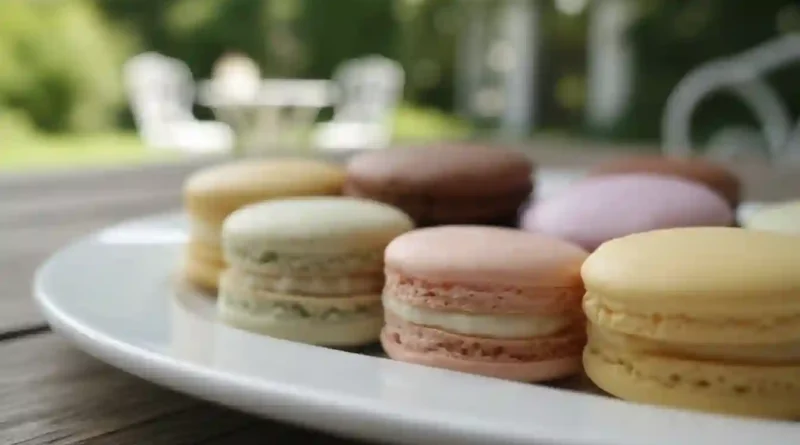
How To Make Macarons
How to Make Macarons: A Foolproof Recipe for Delicate, Sweet Success
A Warm, Engaging Introduction
There’s a certain magic to a perfect macaron. That crisp, delicate shell that gives way to a uniquely soft, almost chewy interior, all held together by a cloud of sweet buttercream. For years, I viewed them as the elusive domain of professional patissiers, all ruffled “feet” and flawless sheens. My first few attempts were humble, to say the least—a little lopsided, a little hollow. But then, something clicked. It wasn’t about complex skill; it was about patience, precision, and a touch of quiet confidence in the kitchen. This recipe is that click. It’s the careful breakdown of steps that transformed macarons from a daunting project into my most satisfying baking ritual. The moment you pull that tray from the oven and see those perfect, tiny ruffles, you’ll feel it too: the sweet, buttery triumph of creating something truly special.
Why You’ll Love This Recipe
-
The Pride of a Patissier: There’s no feeling quite like presenting a homemade batch of these elegant cookies. They are a true badge of baking honor.
-
A Canvas for Creativity: Once you master the classic vanilla shell, a world of colors, flavors, and fillings opens up. These are your edible art.
-
Mindful Baking Therapy: The process—folding the batter, piping careful circles, waiting for the shells to form a skin—is a wonderfully mindful escape.
-
Surprisingly Approachable: We demystify the process with clear, narrative steps. What seems intricate is just a series of simple, careful actions.
A Story-Driven Moment
I’ll never forget the batch I brought to a friend’s sophisticated dinner party. Among the guests was her father, a self-proclaimed skeptic of “fussy desserts” who preferred a straight-shooting chocolate chip cookie. With a raised eyebrow, he took one. Then, silence, followed by a slow, thoughtful nod. “Huh,” he said. “That’s… incredible. It’s like a cookie and a cloud had a baby.” He quietly ate two more. It was the ultimate testament that a well-made macaron, in all its delicate glory, can win over even the most unexpected critic.
What Makes These Macarons Special
-
Finely Ground Almond Flour: This is non-negotiable. Starting with a super-fine flour (and sifting it diligently) ensures that irresistibly smooth, unblemished shell.
-
Aged Egg Whites: Using egg whites separated a day ahead and left covered in the fridge helps reduce moisture, leading to a more stable, voluminous meringue—the foundation of those iconic “feet.”
-
Pure Vanilla & Gel Coloring: A dash of real vanilla in both the shell and buttercream adds a warm, fragrant depth. Gel food coloring provides vibrant hue without altering the batter’s crucial consistency.
-
The “Bloom”: Resting the filled macarons for 24 hours allows the flavors to meld and the texture to transform into that signature tender, slightly chewy interior.
Making It Happen: The Macaron Method
First, we build our dry foundation. Pulse the powdered sugar, almond flour, and a bit of salt in a food processor until it feels like fine dust, then sift it all. This step is your secret to a smooth top. Now, for the heart of the operation: the meringue. In a scrupulously clean bowl, beat your room-temperature egg whites until they’re foamy. Gradually rain in the granulated sugar and keep beating until you have glossy, stiff peaks that hold their shape firmly.
Gently stir in your vanilla and a drop or two of gel coloring. Here comes the most critical part: the macaronage. Add your sifted dry ingredients to the meringue in batches, and use a spatula to fold and press the batter against the side of the bowl. You’re looking for a lava-like consistency. It should flow smoothly off your spatula in a thick ribbon, and you should be able to draw a figure “8” without the stream breaking.
Pipe your batter into perfect circles on a parchment-lined tray. Don’t swirl; think “down and lift.” Give the tray several firm taps on the counter to release any trapped air bubbles—this prevents cracked tops. Now, walk away. Let the piped shells sit undisturbed until they form a dry, matte skin, about 30-60 minutes. This skin is what forces the batter to rise upwards in the oven, creating the feet.
Bake them in a preheated oven until the feet are set and the shells don’t wobble when gently nudged. Let them cool completely before you even think about removing them. While they cool, whip up the buttercream: beat room-temperature butter until it’s pale and fluffy, then gradually incorporate the powdered sugar, vanilla, and cream until it’s dreamily smooth. Pipe a small dollop onto one shell and sandwich it with another. Then, practice the final act of patience: let them mature in an airtight container overnight. The wait is worth it.
You Must Know: 3 Non-Negotiable Tips
-
Weigh Your Ingredients: For absolute precision, use a kitchen scale. Volume measurements for flour and sugar can vary too much.
-
No Grease Allowed: Ensure your mixing bowl and beaters are impeccably clean and dry. Any trace of fat will prevent the egg whites from whipping properly.
-
Master the Figure 8: The batter consistency is everything. If you can draw a continuous figure 8 with the batter falling off your spatula, you’ve nailed it. If not, fold a few more times.
Serving Ideas
Enjoy these macarons as a dainty finish to a meal with a cup of strong espresso or a floral herbal tea. They are perfect for bridal showers, afternoon tea parties, or packed prettily into a box as a heartfelt homemade gift.
Make It Different: Customization Ideas
-
Flavor Twists: Add a teaspoon of matcha powder or cocoa powder to the dry ingredients for green tea or chocolate shells. Fill with complementary buttercreams or ganache.
-
Nut-Free Option: While not traditional, sunflower seed flour (processed finely) can be used as a substitute for almond flour for those with allergies.
-
Fruity Fillings: Swap the vanilla buttercream for a tangy raspberry jam, a smear of lemon curd, or a passionfruit buttercream.
Storage and Reheating Tips
Store filled macarons in a single layer in an airtight container in the refrigerator for up to 5 days, or freeze for up to a month. They are best served at room temperature, so let them sit out for 15-20 minutes before serving to allow the flavors to shine and the texture to soften.
Success Tips for First-Timers
-
If your shells crack, you likely needed a longer resting time to form a proper skin.
-
If they have no feet, your oven temperature might be off (use an oven thermometer) or the batter may have been overmixed.
-
If they are hollow, the meringue might have been under-whipped or the batter undermixed. Take notes each time to perfect your next batch.
Frequently Asked Questions (FAQ)
Q: Can I use liquid food coloring?
A: It’s not recommended. Liquid coloring can add too much moisture and throw off your batter’s consistency. Gel or powder food coloring is the way to go.
Q: Why do my macarons stick to the parchment paper?
A: This usually means they are under-baked. Bake for another minute or two, or until they release easily. Ensure your oven temperature is accurate.
Q: How do I know when the meringue has reached “stiff peaks”?
A: The peaks should stand straight up when you lift the beaters, and the meringue should not slip if you tilt the bowl.
Q: Is the 24-hour “bloom” really necessary?
A: For the authentic texture, yes. Freshly filled macarons have a crispier shell. The rest allows moisture from the filling to soften the interior, creating that classic chewy tenderness.
Q: My batter seems too runny after piping. What happened?
A: This is typically from overmixing during the macaronage stage. Next time, stop folding as soon as you achieve the figure-8 test.
Recipe Card: Classic French Macarons
Prep Time: 1 hour 30 minutes
Cook Time: 17 minutes
Total Time: 2 hours 47 minutes (plus overnight resting)
Servings: 30 filled macarons
Category: Dessert
Difficulty: Intermediate
Cuisine: French
Yield: Approximately 30 macaron shells (15 full macarons)
Ingredients
For the Macarons:
-
1 ¾ cups (210g) powdered sugar
-
1 cup (95g) almond flour, finely ground
-
1 teaspoon salt, divided
-
3 egg whites, at room temperature
-
¼ cup (50g) granulated sugar
-
½ teaspoon vanilla extract
-
2 drops pink gel food coloring
For the Vanilla Buttercream:
-
1 cup (230g) unsalted butter, 2 sticks, at room temperature
-
3 cups (360g) powdered sugar
-
1 teaspoon vanilla extract
-
3 tablespoons heavy cream
Preparation
-
Make the macarons: In a food processor, combine powdered sugar, almond flour, and ½ teaspoon salt. Process until extra fine. Sift the mixture through a fine-mesh sieve into a large bowl.
-
In a separate, clean large bowl, beat egg whites and remaining ½ teaspoon salt with an electric mixer until soft peaks form. Gradually add granulated sugar until fully incorporated. Beat until stiff, glossy peaks form.
-
Add vanilla and beat to incorporate. Add gel food coloring and beat until just combined.
-
Add about ⅓ of the sifted almond flour mixture at a time to the meringue, using a spatula to gently fold until combined. After the last addition, continue folding slowly until the batter flows like lava and you can make a figure 8 with the batter falling from the spatula.
-
Transfer batter to a piping bag fitted with a round tip. Pipe 1½-inch circles onto parchment-lined baking sheets, spacing 1 inch apart. Firmly tap trays on the counter 5 times to release air bubbles.
-
Let macarons sit at room temperature for 30-60 minutes, until dry to the touch.
-
Preheat oven to 300°F (150°C). Bake macarons for 17 minutes, until feet are risen and shells do not stick. Cool completely on wire racks.
-
Make the buttercream: In a large bowl, beat butter for 1 minute until light and fluffy. Sift in powdered sugar and beat until incorporated. Add vanilla and beat to combine. Add cream, 1 tablespoon at a time, and beat until desired consistency is reached.
-
Transfer buttercream to a piping bag. Pipe a small dollop onto one macaron shell and sandwich with another. Repeat.
-
Place filled macarons in an airtight container and refrigerate for 24 hours to “bloom” before serving for best texture.
Notes: For best results, use a kitchen scale and ensure all tools are grease-free.
