Old Fashioned Spaghetti
The Ultimate Old Fashioned Spaghetti Recipe: A Hearty, Slow-Simmered Classic
There’s a certain magic that happens in the kitchen when a recipe isn’t just about feeding people, but about comforting them. For me, that recipe is this Old Fashioned Spaghetti. It’s not a quick, twenty-minute sauce. This is the kind that burbles away on the stovetop for hours, filling your home with an aroma that feels like a warm hug—a rich, savory perfume of tomatoes, herbs, and slowly melded flavors that promises something truly special is coming. This is the spaghetti of Sunday dinners, of cherished family recipes passed down on stained index cards, and of deep, undeniable satisfaction.
Why You’ll Love This Old Fashioned Spaghetti
-
It’s a Culinary Hug: This is the definition of comfort food. The long, slow simmering process develops a deep, complex flavor that is both rich and reassuring.
-
Feeds a Crowd with Ease: Perfect for family dinners or entertaining guests, this recipe makes a generous amount of hearty sauce that everyone will adore.
-
Even Better the Next Day: Like all great stews and sauces, the flavors deepen and marry overnight, making your leftovers a coveted lunch.
-
Simple, Forgiving Process: While it requires patience, the technique is straightforward. It’s a forgiving recipe that allows you to relax and enjoy the process.
A Story from the Table
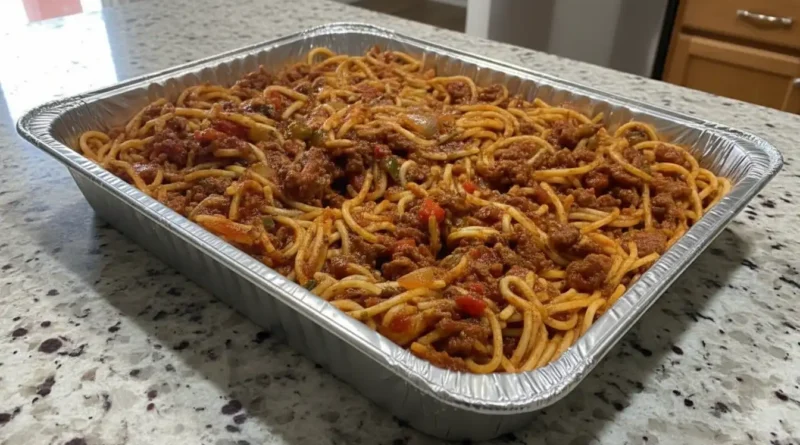
I’ll never forget the time I served this to my friend’s son, a renowned picky eater whose diet seemed to consist solely of beige foods. He eyed the plate of tangled spaghetti coated in the robust, chunky sauce with deep suspicion. After much coaxing, he took a small bite. Then another. He looked up, a smear of tomato sauce on his cheek, and said, “This is actually good.” The entire table fell silent. It was a quiet victory, won not by fancy ingredients, but by the timeless, honest goodness of a classic done right.
What Makes It Special
The magic of this sauce isn’t a secret; it’s in the building blocks.
-
The Holy Trinity: The base of onion, celery, and garlic (a soffritto) creates a foundational layer of sweet, savory, and aromatic flavor that forms the soul of the sauce.
-
Triple Tomato Power: Using diced tomatoes, tomato sauce, and tomato paste gives the sauce a perfect balance of bright acidity, smooth body, and rich, concentrated depth.
-
The Secret Simmer: The long, gentle cooking time is non-negotiable. It tenderizes the meat, softens the vegetables into the sauce, and allows all the individual flavors to fuse into one harmonious whole.
-
Aromatic Warmth: The whole cloves and bay leaves impart a subtle, warm complexity that makes this sauce taste distinctly “old fashioned” and layered.
Making It Happen
Let’s build this sauce together. Start by browning your ground beef in a large, heavy-bottomed pot over medium-high heat. You’re looking for a good, dark crust on the meat, as this builds foundational flavor. Once browned, drain the excess fat and return the pot to the heat.
Now, add your chopped onion, celery, and minced garlic. The sizzle as they hit the pot is the sound of flavor building. Cook them, stirring often, until they’ve softened and the onions become translucent, soaking up all the delicious meaty bits from the bottom of the pot.
This is where the transformation begins. Pour in your diced tomatoes, tomato sauce, and tomato paste. For a rich, deep undertone, add a cup of beef broth instead of the red wine—it provides a similar depth without the alcohol. Stir in the sliced mushrooms, whole cloves, bay leaves, sugar, and all your dried herbs and seasonings. Give it a thorough stir, bringing the whole pot to a lively boil.
Once it’s bubbling, reduce the heat to the lowest possible simmer. Cover the pot with a lid, but leave it slightly ajar. Now, the hardest part: walk away. Let it gently cook for at least three hours, stirring occasionally. You’ll notice the sauce slowly darkening and thickening, its aroma becoming more profound and inviting.
When you’re nearly ready to eat, cook your spaghetti in a large pot of generously salted boiling water until it’s al dente— tender but still with a pleasant bite. Drain it well, and then mix it directly into the pot of glorious, slow-simmered sauce, letting the noodles coat themselves in that rich, red goodness.
You Must Know
-
Low and Slow is Key: A rapid boil will make your sauce bitter and can cause it to burn. A patient, gentle simmer is what creates the magic.
-
Salt Your Pasta Water: The water for cooking the spaghetti should taste like the sea. This is your only chance to season the pasta itself from within.
-
Don’t Skip the Sugar: A little sugar is essential. It doesn’t make the sauce sweet; it simply balances the natural acidity of the tomatoes.
-
Embrace the Cloves: They add a unique, warm note. Just remember to fish out the whole cloves and bay leaves before serving!
Serving It Up
Serve this Old Fashioned Spaghetti in wide, shallow bowls with a heavy snowfall of grated Parmesan cheese on top. A sprinkle of fresh chopped parsley adds a fresh, vibrant touch. For a perfect meal, pair it with a simple, crisp green salad with a tangy vinaigrette to cut through the richness of the sauce, and some warm, crusty garlic bread for mopping up every last bit. A glass of robust beef broth or a non-alcoholic sparkling grape juice makes a wonderful beverage pairing.
Make It Different
-
Meat Lover’s Twist: Use a mix of ground beef and Italian sausage for a more complex meat flavor.
-
Vegetarian Version: Omit the ground beef and use a cup of cooked lentils or a plant-based ground “meat.” Swap the beef broth for vegetable broth.
-
Gluten-Free: Simply use your favorite gluten-free spaghetti noodles.
-
Spice it Up: Add a pinch of red pepper flakes with the other dried herbs for a gentle, warming heat.
Storing and Reheating Your Spaghetti
-
Storage: Let the sauce cool completely before storing it in an airtight container in the refrigerator for up to 5 days. You can also freeze it for up to 3 months.
-
Reheating: Gently reheat the sauce in a saucepan over low heat, stirring occasionally, adding a splash of water or broth if it has thickened too much. For best results, reheat the sauce and pasta separately to avoid mushy noodles.
Success Tips
For the absolute best results, use a heavy-bottomed Dutch oven or stockpot. It distributes heat evenly, preventing the sauce from scorching during the long cooking time. If your sauce seems a bit too thin after simmering, simply remove the lid and let it simmer for another 15-30 minutes to reduce and thicken.
Frequently Asked Questions
Do I have to simmer it for three hours?
For the deepest, most melded flavor, yes. The long simmer is what makes this “old fashioned.” A quick-cooked sauce will taste bright and acidic, while a long-cooked one tastes rich, deep, and rounded.
Can I use fresh herbs instead of dried?
You can, but add them at the end. Dried herbs hold up better to long cooking. If using fresh, stir in chopped parsley, basil, and oregano in the last 15 minutes of cooking.
What can I use instead of cloves?
If you don’t have whole cloves, a tiny pinch of ground cloves (about 1/8 teaspoon) will work, but be very careful, as it’s potent.
Why is my sauce a bit oily?
This can happen if your ground beef was very high in fat. The easiest fix is to skim any pooled oil off the top with a spoon before serving, or to be more thorough when draining the fat after browning the meat.
Recipe Card
Prep time: 20 minutes
Cook time: 3 hours 20 minutes
Total time: 3 hours 40 minutes
Servings: 6
Category: Main Course
Difficulty: Easy
Cuisine: Italian-American
Yield: About 3 quarts of sauce
Ingredients
-
1 pound 85% lean ground beef
-
1 yellow onion, chopped
-
4 stalks celery, chopped
-
4 cloves garlic, minced or pressed
-
1 (29-ounce) can diced tomatoes
-
1 (29-ounce) can tomato sauce
-
1 (6-ounce) can tomato paste
-
2 (7-ounce) cans sliced mushrooms, drained
-
1 cup beef broth
-
1 (15-ounce) can beef broth
-
4-6 whole cloves
-
2 bay leaves
-
2 tablespoons sugar
-
1/4 cup chopped fresh parsley or 4 teaspoons dried
-
1 teaspoon dried basil
-
1 teaspoon dried oregano
-
1 teaspoon kosher salt
-
1 teaspoon freshly ground black pepper
-
1 pound dried spaghetti noodles
-
Grated Parmesan cheese, for serving
Instructions
-
In a large heavy-bottomed stock pot or Dutch oven over medium-high heat, cook the ground beef until well-browned, about 5-7 minutes. Drain off the excess fat and return the meat to the pot.
-
Add the chopped onion, celery, and garlic to the pot. Cook, stirring frequently, until the vegetables have softened, about 5-7 minutes.
-
Add the diced tomatoes, tomato sauce, tomato paste, drained mushrooms, 1 cup of beef broth, whole cloves, bay leaves, sugar, parsley, basil, oregano, salt, and pepper. Stir until everything is well combined.
-
Bring the sauce to a boil, then immediately reduce the heat to low to maintain a gentle simmer. Cover the pot with a lid, slightly ajar. Simmer for at least 3 hours, stirring occasionally.
-
About 20 minutes before the sauce is finished, cook the spaghetti in a large pot of well-salted boiling water according to package directions until al dente. Drain well.
-
Remove the whole cloves and bay leaves from the sauce. Add the drained spaghetti to the sauce pot and toss until thoroughly coated.
-
Serve immediately, topped with a generous amount of grated Parmesan cheese.
Notes: The meat sauce can be refrigerated for up to 1 week or frozen for up to 3 months. For best results, reheat the sauce separately before combining with freshly cooked pasta.